
Shop by Brand
-
 Carbon Collective33
-
 3D Car Care24
-
 Active7
-
 Angelwax26
-
 Autoglym15
-
 Bilt Hamber32
-
 Blo3
Blo3
-
 CA Detailing122
-
 CarPro51
-
 Cartec8
-
 Chemical Guys37
-
 Clean by Pan9
-
 Das-610
-
 DIY Detail26
-
 DTL Lab10
-
 Duel Autocare28
-
 EZ Detail Brushes3
-
 Flex42
-
 Garage Therapy24
-
 Grit Guard2
-
 Gtechniq42
-
 Gyeon85
-
 IK Sprayers12
-
 Infinity Wax27
-
 Koch Chemie68
-
 Kovax6
-
 Kwazar14
-
 Lake Country16
-
 Liquid Elements14
-
 Martin Cox8
-
 MaxShine5
-
 Menzerna11
-
 Microfiber Madness19
-
 MJJC9
MJJC9
-
 Mothers7
-
 MTM Hydro3
-
 NexDiag3
-
 P&S Detailing25
-
 Performance PPL18
-
 Rupes28
-
 ShineMate26
-
 Soft9913
-
 SONAX44
-
 Sponge Guru12
-
 Stjarnagloss21
-
 The Rag Company13
-
 Tolco5
-
 ValetPRO19
-
 YumCars36
-
 Slim's Detailing2
-
 ADBL21
-
 Vertool8
-
 Armour Detail Supply12
-
 ChemicalWorkz5
-
 Colourlock3
- L Labocosmetica
-
 Aromatic 896
-
 Scholl Concepts13
No brands match that search.

Wax & Protect
Loading products...

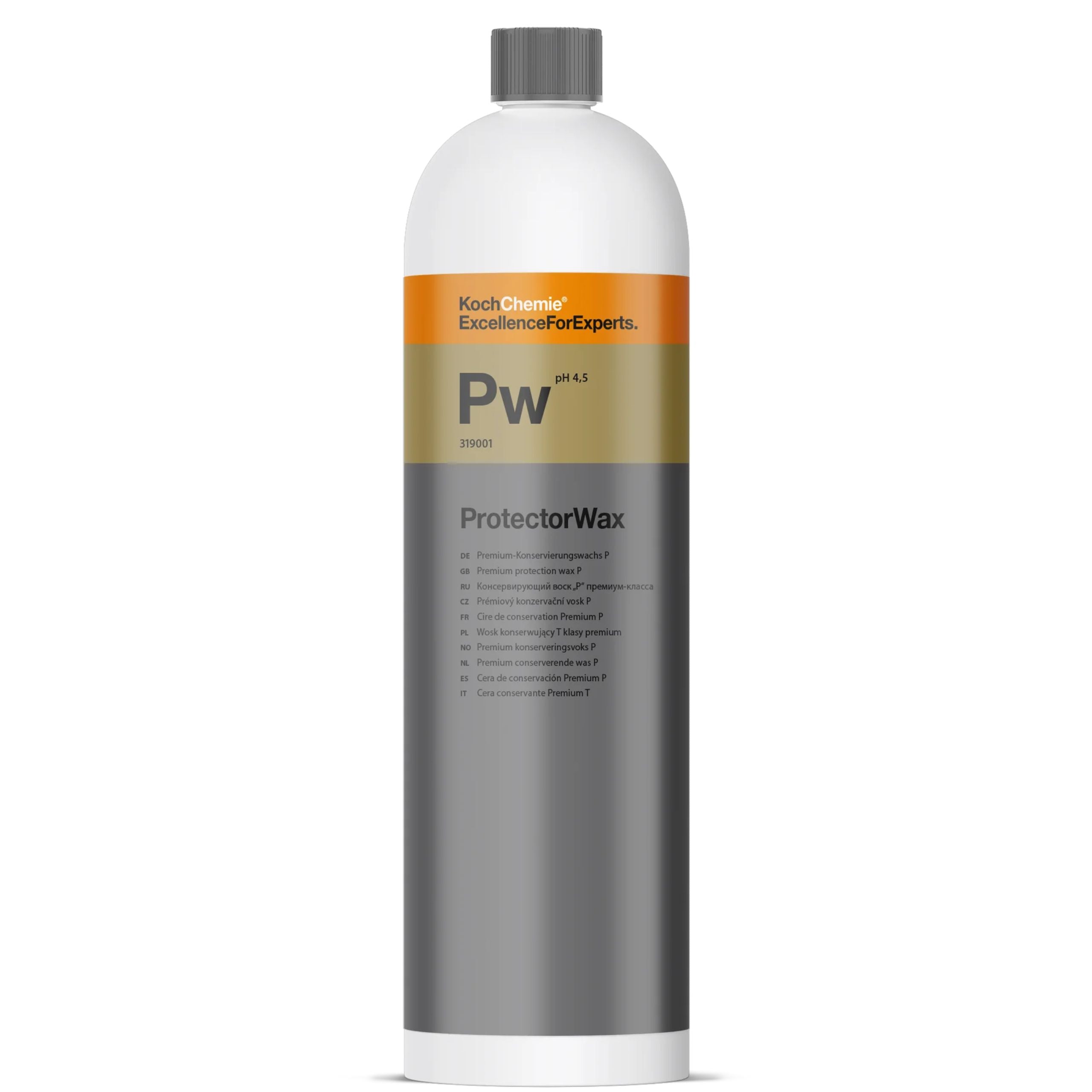


CarPro
CarPro Perl - Plastic, Engine, Rubber and Leather Coat
Price
From £3.99
Koch-Chemie Gummifix 1L - Interior Plastic Gel

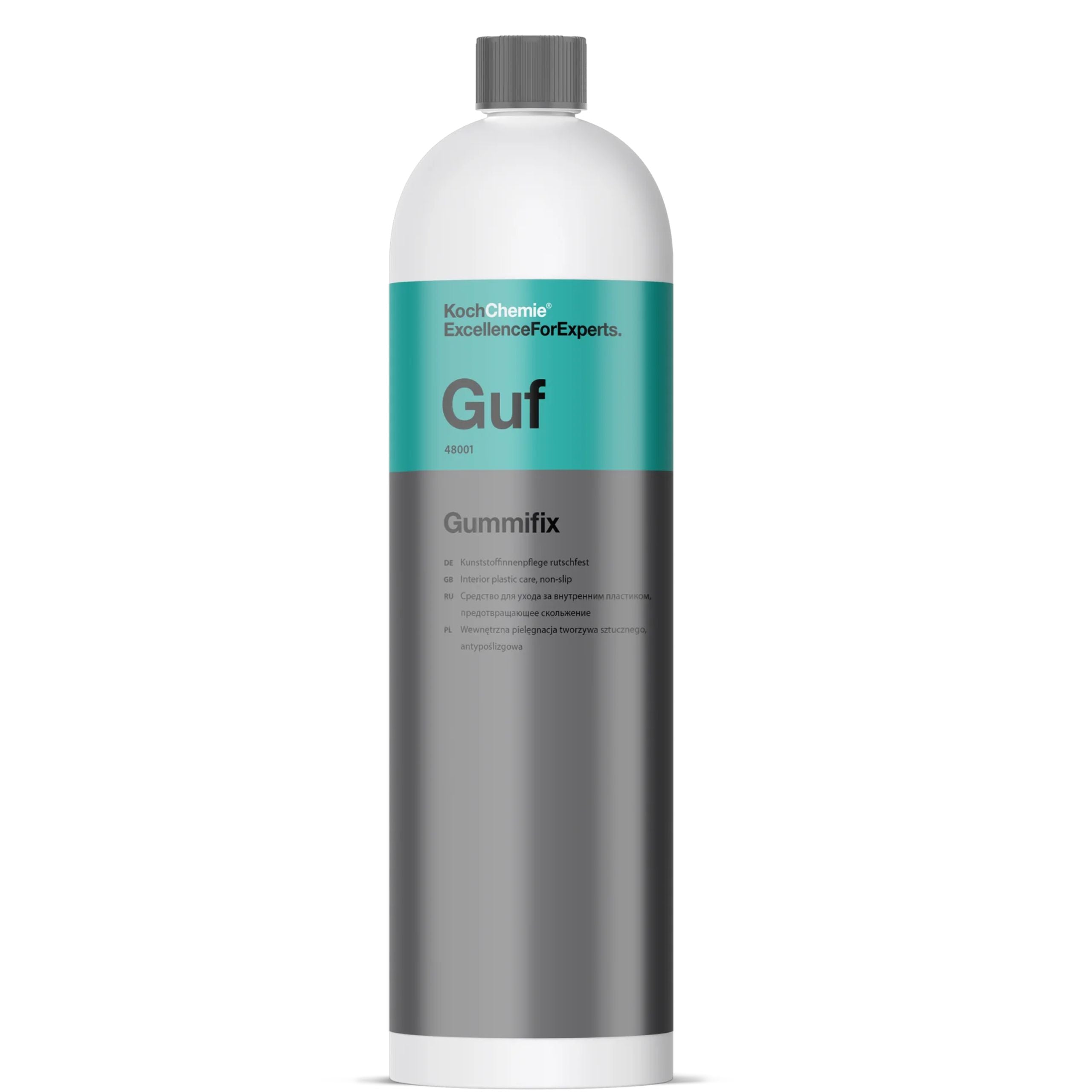


Koch Chemie
Koch-Chemie Gummifix 1L - Interior Plastic Gel
Price
£13.39


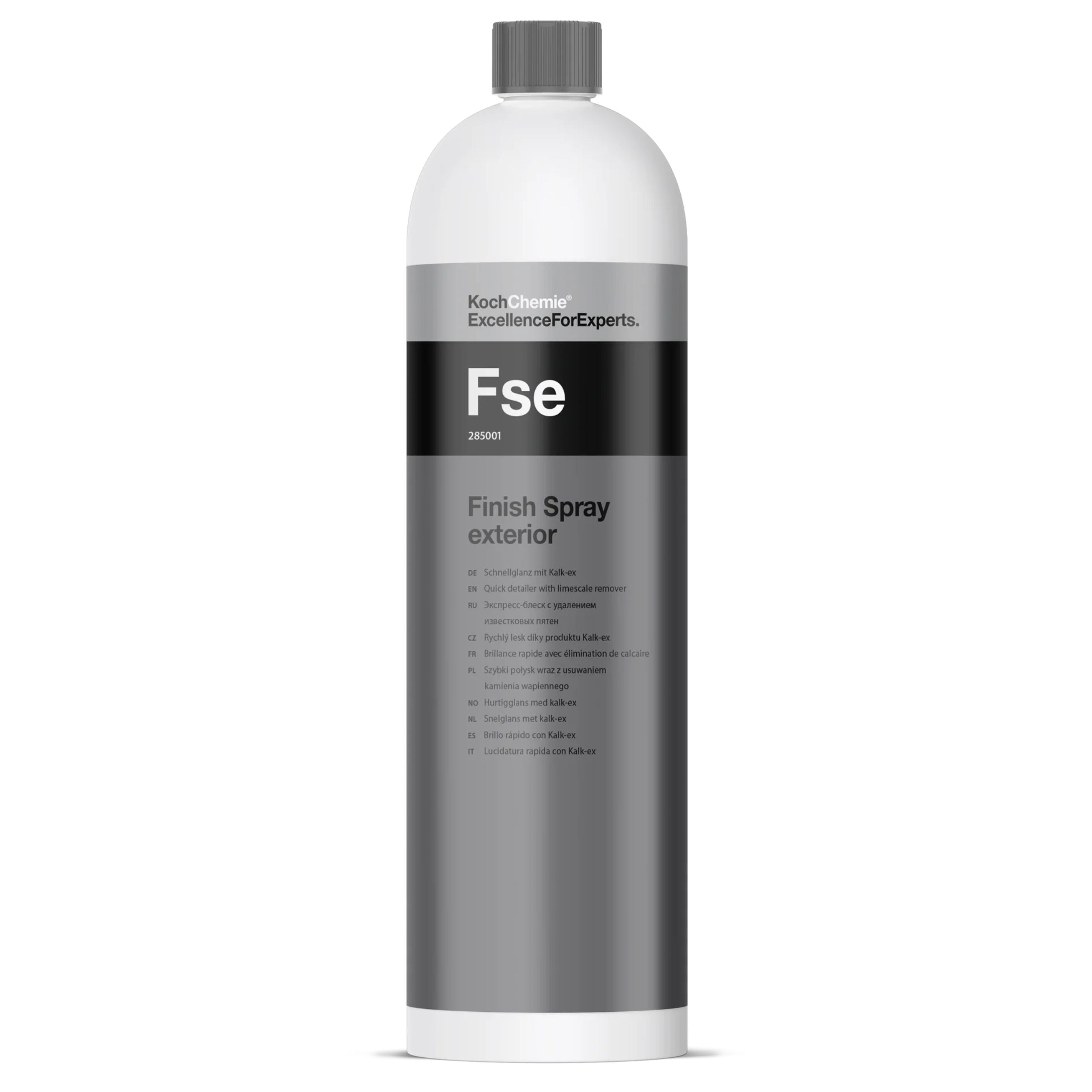


Koch Chemie
Koch Chemie FSE Quick Detailer - Exterior Finish Spray
Price
£11.39
Bilt Hamber Double Speed Wax Kit 250ml


Bilt Hamber
Bilt Hamber Double Speed Wax Kit 250ml
Price
£22.90


YumCars Dress V2 500ml - Tyre, Plastics & Trims+ Gel Moisturiser


YumCars
YumCars Dress V2 500ml - Tyre, Plastics & Trims+ Gel Moisturiser
Price
£18.50


Koch Chemie
Koch-Chemie Heavy Cut (H9.02) - Coarse Polishing Compound Silicone Oil Free
Price
From £15.94
Bilt Hamber Auto-QD Quick Detailer 500ml
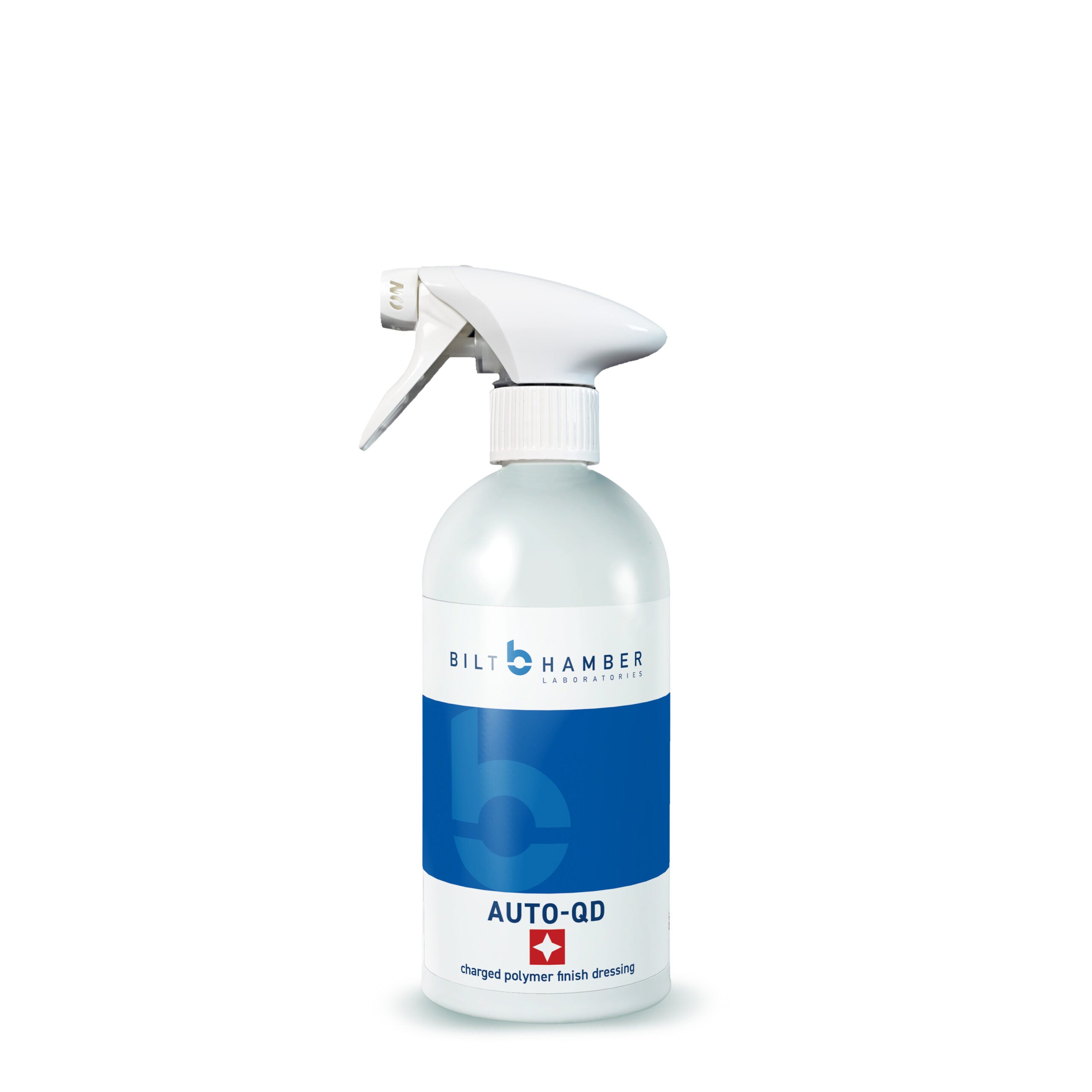


Bilt Hamber
Bilt Hamber Auto-QD Quick Detailer 500ml
Price
£18.90


CarPro
CarPro Inner QD Quick Detailer - Anti-Microbial Spray
Price
From £3.99
Loading products...
Frequently asked questions
What is the difference between a carnauba wax and a synthetic sealant?
A carnauba wax is a natural wax that characteristically beads water and gives a warm, deep gloss, but it attracts dirt more readily and has less detergent resistance than a synthetic product. A synthetic sealant sheets water more than it beads, has better self-cleaning properties because its lower-energy surface repels contamination, and lasts longer between applications because detergent cannot emulsify it as easily as it can an oil-based wax.
Does leaving a paste wax to cure longer than the label says improve protection?
For waxes, yes. A 24-hour cure produces a meaningfully more durable result than the typical 10-minute label instruction. The trade-off is that a wax cured that long is harder to buff off, so apply a thin layer. For synthetic sealants the gain is much smaller, roughly 5%, so following the manufacturer instructions is fine without extending the wait.
Is it worth applying two coats of wax?
Two coats of wax or a polymer sealant, with a 3-hour wait between them, produces noticeably better durability than a single coat. In controlled wash-pass testing the two-coat sections held hydrophobicity roughly 20% longer. It is worth doing on a freshly prepared car where you want to get the most from the protection. Less critical if you plan to re-apply in a few weeks anyway.
When should I choose a paste wax over a spray sealant?
Reach for a paste wax when visual appearance matters more than convenience. A properly applied and cured paste wax produces a warm, reflective finish, sometimes described as a jetting effect where light turns to colour across curved panels, that many people find more noticeable than the look from a synthetic sealant. If you want maximum durability or self-cleaning behaviour on a daily driver, a synthetic sealant or ceramic spray sealant is a more practical choice.
- Choosing a selection results in a full page refresh.
!